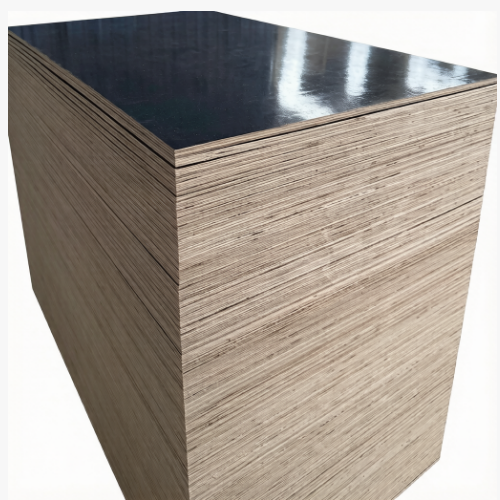
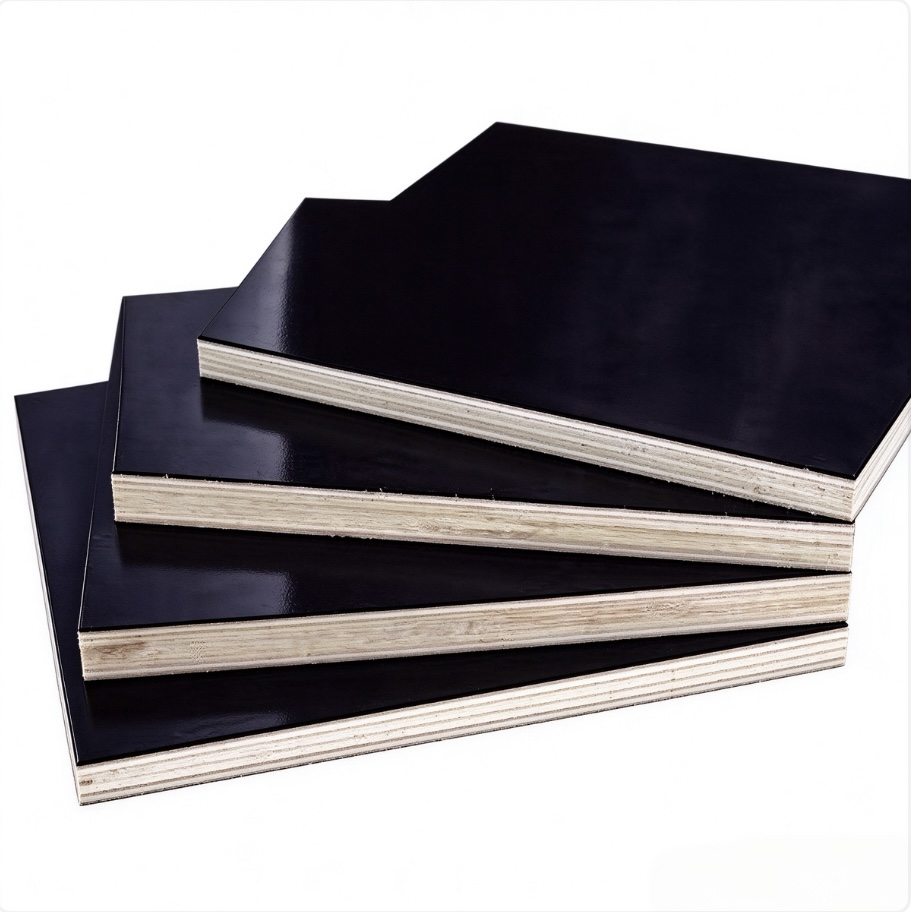
Ask a supplier "how big is a sheet of plywood" and the short answer is 4×8 feet. But anyone who has ordered a few hundred sheets knows the real answer is more detailed: nominal versus actual thickness, imperial versus metric, and tolerance grades all change what lands on your site. This guide covers the numbers and the practical points we see in buyer inquiries at Yufu every week.
What Are the Standard Plywood Sheet Dimensions?
The most common full sheet is 4 by 8 feet, which Hunker converts to roughly 1,219 by 2,438 millimeters. A 5×5 ft square panel is the usual second option, while the Canadian Wood Council also lists 4×9 and 4×10 ft sheets for taller walls. The 48‑inch width is not arbitrary: it lines up with studs spaced 16 or 24 inches on center, so panel edges land on framing. For plywood length, 96 inches (8 ft) is the default, and 9 or 10 ft lengths are available when you want fewer horizontal joints.
How Big Is a 4×8 Sheet of Plywood?
A 4×8 sheet measures 48 inches wide and 96 inches long, or 4,608 square inches. That is 32 square feet, or about 2.98 square meters per sheet. In practice, leave a gap of about 1/8 inch between panels for moisture movement, and remember that each saw cut removes roughly 3 mm. On a project with many rip cuts, that kerf adds up to a real loss of coverage, so plan your cutting layout before you order.
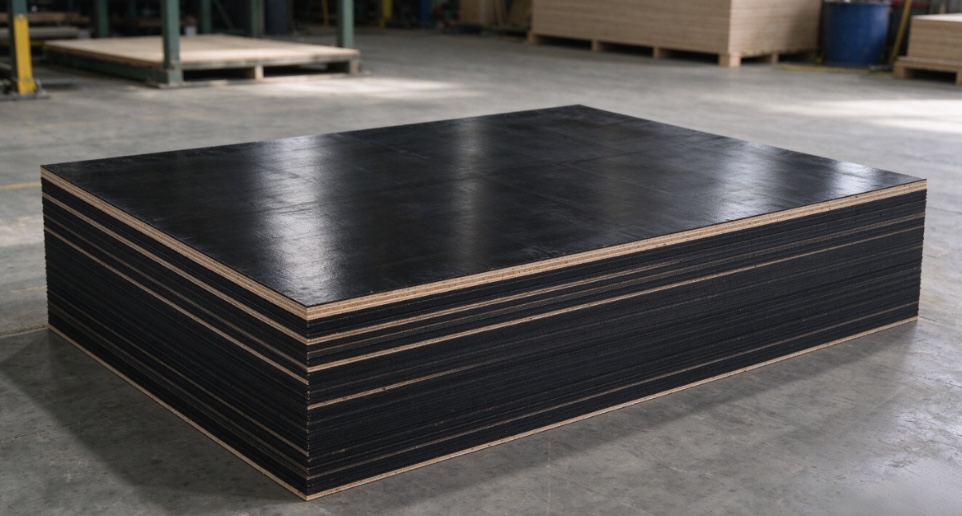
Common Plywood Thicknesses and Their Applications
Nominal thickness runs from 1/8 inch to 1¼ inches, but the sheet is almost always a little thinner. Sanding removes material, so a nominal 3/8‑inch sheet is actually 11/32 inch, as Hunker notes, and Rethority shows that 1/2 inch becomes 15/32 inch. The table below adds the millimeter equivalents that export buyers actually quote.
| Nominal Thickness | Typical Actual Thickness | Approx. in mm | Typical Use |
|---|---|---|---|
| 1/4 in | 7/32 in | 5.6 mm | Cabinet backs, thin paneling |
| 3/8 in | 11/32 in | 8.7 mm | Light partitions, crafts |
| 1/2 in | 15/32 in | 11.9 mm | Wall sheathing, furniture carcasses |
| 5/8 in | 19/32 in | 15.1 mm | Roof decking, shelving |
| 3/4 in | 23/32 in | 18.3 mm | Subfloors, concrete formwork |
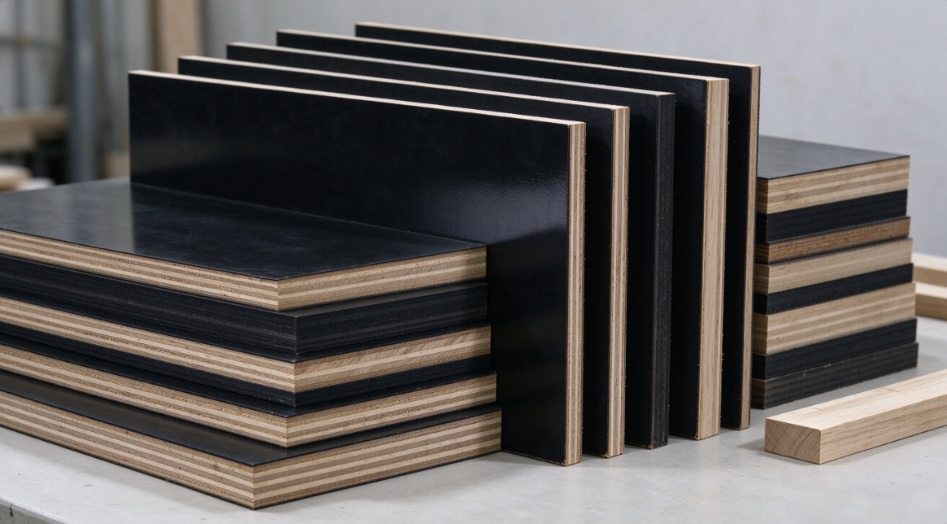
Tolerance matters as much as the label. Sawinery reports a thickness tolerance of 1/32 inch for utility grade and 1/64 inch for cabinet grade. From our experience, formwork buyers care most about 12, 15 and 18 mm sheets because the actual thickness decides how well panels line up on a deck, so we always suggest requesting a measured sample before approving a large order.
Does Plywood Sheet Size Vary by Country?
Yes. Sheets made for the U.S. use inches, while Europe, Canada and Japan use millimeters. Canada also produces a 1200×2400 mm panel alongside the 1220×2440 mm one. Some export markets go further: HCPLY describes a 1250×2500 mm sheet that offers about 5% more area than 1220×2440 mm (3.125 versus 2.977 square meters). That extra area is useful, but it is not interchangeable with a 4×8 sheet, and mixing the two on one job creates cutting waste. For tolerances, WISA states that its panels are measured under EN 324‑1 and meet EN 315 limits at 8–12% moisture content, which shows why the testing standard should be named in any specification.
How to Choose the Right Plywood Dimensions for Your Project
Start from your framing or formwork module, then work backward to sheet size. If your wall studs sit at 16 or 24 inches, a 1220 mm width fits naturally. If you work in metric drawings, confirm whether the supplier means 1220×2440, 1200×2400 or 1250×2500 before comparing prices.
Next, write the specification the way a factory reads it: length, width, thickness in millimeters, thickness tolerance, and the moisture content at measurement. Measure several sheets from one batch with calipers, because consistency within a batch often matters more than a single perfect sheet. Finally, check the sheet weight against your handling method, since thicker sheets are harder to lift on site. Our team at Yufu usually confirms these four points with buyers before quoting commercial, structural or film faced plywood, which keeps the delivered panels matched to the drawing.
Conclusion
A 4×8 sheet is 48 by 96 inches, or about 1220×2440 mm, but the label is only the start. Actual thickness runs slightly below nominal, tolerances differ by grade, and metric sheets do not always match imperial ones. Specify size, thickness in millimeters and tolerance together, and you avoid most of the surprises that cost time on site.
Reference
- Hunker – What Are the Standard Sizes of Plywood?
- Rethority – What Are the Standard Plywood Sheet Sizes?
- Sawinery – Standard Plywood Sizes (Width, Length, and Thickness)
- Canadian Wood Council – Plywood Sizes
- WISA Plywood – Sizes, Thicknesses and Weights
- HCPLY – Plywood Sheet Sizes by Market